

In a world where environmental challenges loom larger than ever, the intersection of technology and sustainability has never been more crucial. Imagine a future where our cities are powered by clean energy, waste is transformed into valuable resources, and every innovation contributes to the health of our planet. Welcome to “Green Innovations: Harnessing Tech for a Sustainable Tomorrow,” where we explore groundbreaking advancements that are not just reshaping industries but also redefining how we coexist with nature. From AI-driven conservation efforts to cutting-edge renewable energy solutions, join us on a journey through the vibrant landscape of eco-friendly technology that’s paving the way for a greener tomorrow. It’s time to discover how ingenuity can lead us toward a sustainable future—one innovative idea at a time.
Smart Homes and Energy Efficiency
One of the most exciting developments in the world of sustainable living is the rise of smart homes. With the help of smart devices, homeowners can now monitor and control their energy usage more efficiently than ever before. Imagine being able to control your thermostat remotely or track your energy consumption through an app – that’s the power of smart home technology.
Smart thermostats, like the Nest or Ecobee, learn your schedule and preferences, adjusting the temperature in your home to optimize energy use. This not only reduces heating and cooling costs but also cuts down on energy waste. Similarly, smart lighting systems allow you to turn off lights automatically when you leave a room, saving energy and reducing your carbon footprint. With the increasing availability of affordable smart home technology, it’s easier than ever to create an energy-efficient living space that’s both comfortable and sustainable.
Solar Power and Renewable Energy
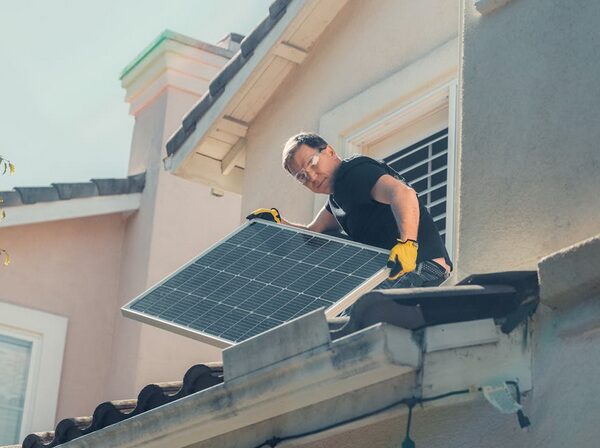
When we talk about green innovations, renewable energy is always at the forefront of the conversation. Solar power, in particular, has come a long way in recent years. Once considered too expensive and impractical for many households, solar panels are now more affordable and efficient than ever before.
Advancements in solar technology have made it possible for homeowners to generate their electricity, reducing reliance on fossil fuels and lowering utility bills. Solar panels can be installed on rooftops, in backyards, or even incorporated into building materials like solar shingles. Additionally, the effect of solar storage systems means you can store extra energy for use when the sun isn’t shining, further improving your home’s sustainability. Beyond individual households, large-scale solar farms are popping up around the world, contributing to the global shift toward renewable energy and helping to reduce carbon emissions.
Electric Vehicles and Sustainable Transportation
Transportation is one of the biggest contributors to greenhouse gas emissions, but tech is helping make greener transportation options more accessible. Electric vehicles (EVs) have become a popular alternative to traditional gas-powered cars, and for good reason. EVs produce zero tailpipe emissions, reducing air pollution and helping to combat climate change.
The growth of EV infrastructure, including charging stations and battery technology, has made it easier for people to switch to electric cars. Many major car manufacturers are now investing in EV technology, with more affordable and efficient models hitting the market every year. Additionally, electric buses, bikes, and even trucks are becoming more common, making it easier for cities to reduce their carbon footprints and promote sustainable transportation options. With the development of faster-charging systems and longer-lasting batteries, the future of electric vehicles looks bright, making them a key part of a sustainable transportation future.
Sustainable Agriculture and Food Production

Tech isn’t just changing how we power our homes and get around – it’s also transforming the way we grow and consume food. Sustainable agriculture technologies are helping farmers reduce their environmental impact while increasing food production. Hydroponics and vertical farming are two innovative techniques that allow crops to be grown indoors with minimal water and land usage. These methods are particularly useful in urban areas where space is limited. Additionally, precision farming, powered by sensors and data analytics, helps farmers optimize water usage, reduce pesticide use, and improve crop yields, all while minimizing their environmental impact.
On the consumer side, food tech is also making strides in reducing food waste. Apps and platforms that connect people with surplus food, or help restaurants manage inventory more efficiently, are helping reduce the amount of food that ends up in landfills. Moreover, lab-grown meat and plant-based protein innovations are providing sustainable alternatives to traditional meat production, which is a major contributor to greenhouse gas emissions.
Waste Management and Recycling Innovations
One of the biggest challenges we face in the quest for sustainability is waste management. But new tech solutions are helping us rethink how we deal with trash and recycling. Smart waste management systems, for example, allow cities to track waste collection and recycling rates, ensuring that materials are disposed of properly and recycled whenever possible. Additionally, innovations in recycling technology, like advanced sorting systems and chemical recycling, are making it easier to recycle materials that were once considered non-recyclable. For instance, new processes are being developed to recycle plastic that would otherwise end up in landfills or oceans. This helps close the loop on waste and reduces the need for new raw materials.