

Quantum computing sounds like something pulled straight from a sci-fi movie, but it’s quickly becoming one of the most exciting frontiers in technology. While today’s computers process information in bits—zeros and ones—quantum computers use qubits, which can exist in multiple states at once. That seemingly small difference opens the door to massive leaps in computing power. So what does that have to do with YouTube? Potentially, everything. From how videos are recommended to how they’re streamed and even protected, quantum computing could reshape the entire YouTube experience for creators and viewers alike.
Smarter Recommendations Than Ever Before
YouTube’s recommendation algorithm already feels almost psychic. It studies watch history, engagement patterns, and countless other signals to decide what to show next. But quantum computing could take that personalization to a completely new level. With the ability to analyze vast datasets simultaneously, quantum systems could process billions of behavioral data points in real time. Imagine logging in and seeing recommendations that feel perfectly tailored to your mood in that exact moment. Instead of simply predicting what you might like based on past behavior, quantum-powered algorithms could detect subtle patterns across global viewing trends and personal preferences at once. The result would be a feed that feels less like an algorithm and more like a personal curator.
Lightning-Fast Video Processing and Downloads
Video processing is incredibly resource-intensive. From encoding high-resolution uploads to optimizing playback across different devices, YouTube relies on enormous data centers to keep things running smoothly. Quantum computing could drastically reduce the time needed for complex rendering and compression tasks. This could mean near-instant 8K uploads, seamless livestreams with zero buffering, and dramatically improved file compression without sacrificing quality. Even third-party tools from ytsaver.co/youtube-to-mp4 could benefit from quantum-enhanced backend systems that convert and optimize videos in seconds rather than minutes. For creators, that means faster turnaround times. For viewers, it means smoother streaming and fewer frustrating loading circles.
A New Era of Content Moderation

Content moderation is one of YouTube’s biggest ongoing challenges. Billions of videos require constant monitoring to detect harmful, misleading, or inappropriate material. Current AI systems do a lot of the heavy lifting, but they’re not perfect. Quantum computing could enable much more advanced pattern recognition models. Instead of analyzing content piece by piece, quantum algorithms might evaluate complex contextual relationships at scale. This could improve the detection of deepfakes, misinformation campaigns, and coordinated spam attacks. Faster and more accurate moderation would help create a safer environment without over-relying on human reviewers or mistakenly flagging legitimate content.
Stronger Security for Creators and Viewers
Cybersecurity is another area where quantum computing could have a huge impact. On one hand, quantum machines might eventually break certain traditional encryption methods. On the other hand, they could also power entirely new forms of quantum encryption that are virtually unhackable. For YouTube, that could translate into better protection for creator accounts, stronger safeguards against data breaches, and enhanced privacy for viewers. Channel hijacking, copyright theft, and bot-driven manipulation could become much harder to pull off. In a platform where livelihoods depend on digital security, that shift would be game-changing.
Transforming Advertising and Monetization
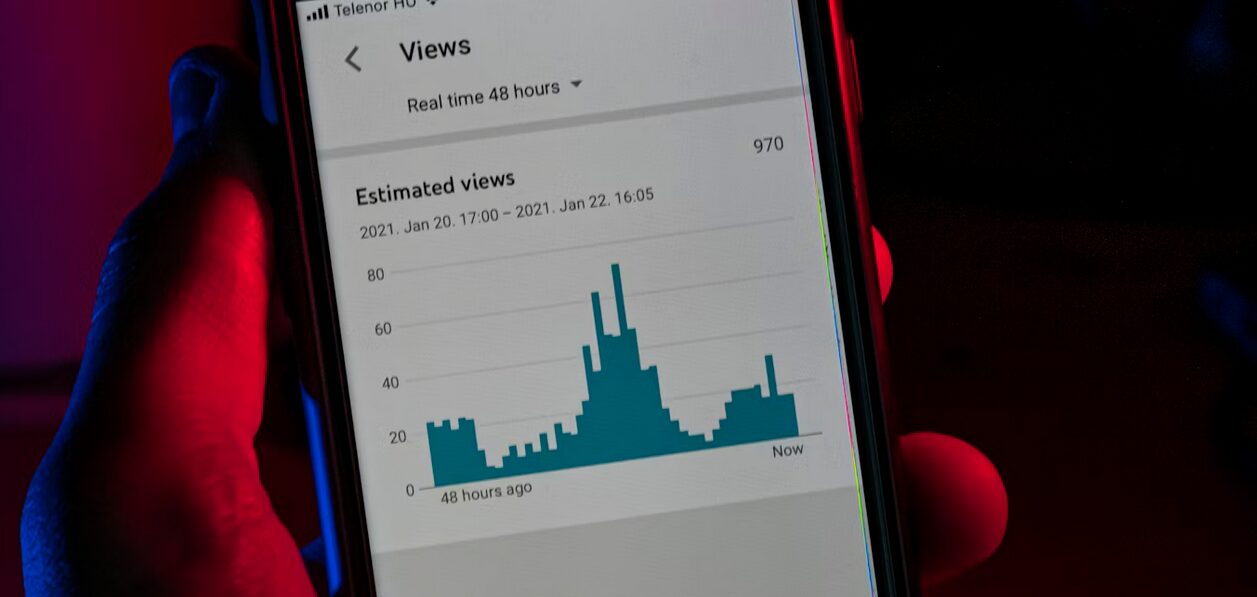
Advertising keeps YouTube free for billions of users. But ad targeting is a delicate balance between relevance and privacy. Quantum computing could refine ad placement by processing enormous behavioral datasets …





 When shopping for TikTok views, it’s crucial to make sure you’re being cautious of bots and fake accounts. Bot automation, especially regarding social media, is becoming more and more common, so buyers must be careful to avoid these as they may result in low-quality interactions that do not accurately reflect the number of views purchased. Looking for authentic engagement and paying attention to warning signs are key components of verifying whether or not buyers are receiving their money’s worth from their purchase. Trustworthy providers will often have demos of real people engaging with the content before committing, so keep an eye out for those before you make a purchase. Never purchase the first offer you come across, and always research it first.
 With the increasing popularity of telecommuting and remote